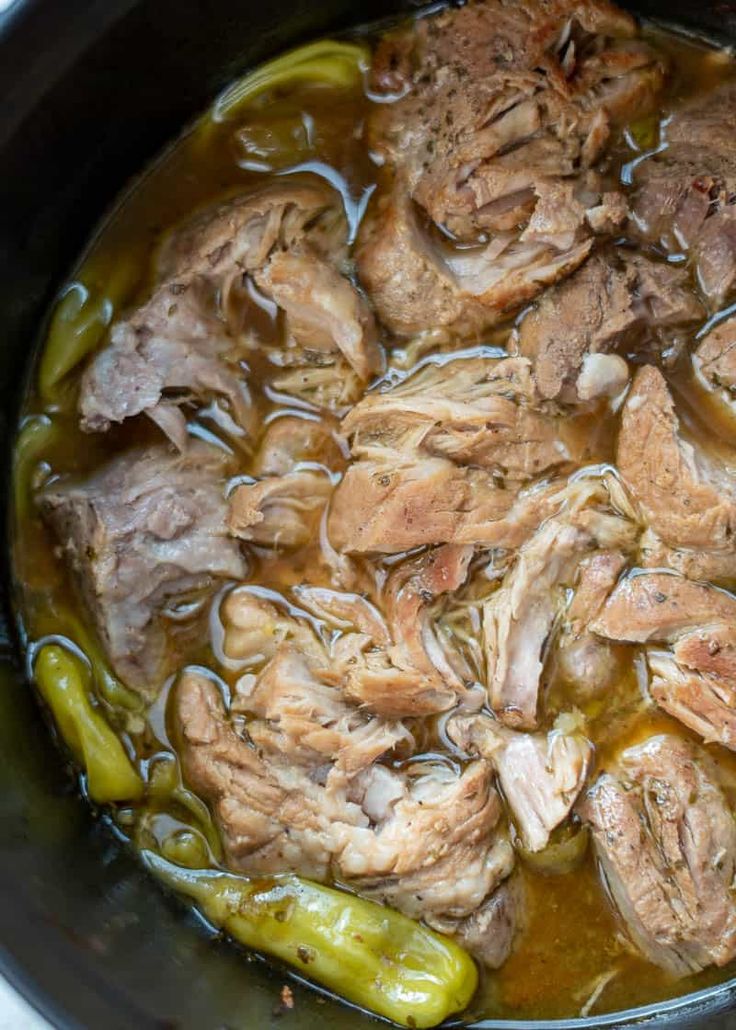
Why Your Pork Sirloin Gets Tough & How to Cook it Tender
Tired of biting into dry, chewy pork sirloin when you’re craving a juicy, succulent meal? You’re not alone. Pork sirloin is a lean, flavorful cut that has incredible potential, yet it’s notoriously easy to overcook, turning a promising dinner into a disappointing endeavor. Many home cooks struggle to find that sweet spot, often ending up with something more akin to shoe leather than a tender, mouth-watering experience. But what if we told you there’s a game-changing method to unlock its full potential? This comprehensive guide will not only reveal the secrets behind tough pork sirloin but also provide you with the definitive answer to the question:
how to cook the most tender pork sirloin recipe every single time.
We’ll dive deep into the science of why this particular cut behaves the way it does, explore the best preparation techniques, and walk you through a foolproof cooking method that eliminates the risk of dry, tough pork forever. By understanding its characteristics and applying a few expert strategies, you’ll gain the confidence to prepare the most tender pork sirloin of your life, from edge to center.
Understanding Pork Sirloin: The Lean Truth
Before we fire up the oven, let's get acquainted with this cut. Understanding the nature of pork sirloin is the crucial first step toward mastering its preparation. Think of it like a seasoned mechanic knowing the engine inside and out before attempting a tune-up.
Pork sirloin, sometimes found labeled as pork loin roast, sirloin chops, or pork hipbone steak, originates from the area just behind the main loin and in front of the pig's hind legs. Its defining characteristic is its leanness. Compared to fattier cuts like pork shoulder, sirloin has very little intramuscular fat, also known as marbling.
This leanness presents both advantages and challenges. On the one hand, it's a fantastic, protein-rich option for those seeking a healthier meal. On the other hand, the scarcity of fat significantly narrows the window for error during cooking. Fat naturally provides moisture, flavor, and acts as an internal buffer against overcooking. With pork sirloin, we need to actively create that buffer ourselves through smart cooking techniques. Ignoring this fundamental characteristic is often the first step towards a tough outcome.
The Science of Toughness: Why Pork Sirloin Overcooks So Easily
The primary culprit behind a tough pork sirloin is almost invariably overcooking. Because pork sirloin is a lean muscle, exposing it to heat for too long or at too high a temperature causes its muscle fibers to contract aggressively. As these fibers tighten, they forcefully squeeze out all the precious moisture trapped within. The result? Dry, rubbery, and utterly disappointing meat. It’s a classic example of what happens when you push a lean protein beyond its limits.
Beyond overcooking, improper preparation can also contribute significantly to toughness and an uneven cook. For instance, searing a cold piece of pork straight from the refrigerator into a scorching hot pan is a recipe for disaster. The exterior will cook and potentially toughen far too quickly before the internal temperature has a chance to rise evenly. This leads to an unevenly cooked piece of meat – possibly burnt on the outside, underdone in the middle, and tough throughout due to improper heat distribution. Allowing your meat to come closer to room temperature before cooking is a simple yet impactful step that ensures more uniform heat penetration.
Pork Sirloin vs. Pork Tenderloin: Knowing Your Cut
A common point of confusion in the meat aisle is the difference between pork sirloin and pork tenderloin. While their names sound similar, they are distinctly different cuts that demand entirely different cooking approaches. Mistaking one for the other is a surefire way to end up with an unsatisfactory meal.
*
Pork Tenderloin: Often referred to as the "filet mignon of pork," this cut is incredibly lean, long, and thin. It’s naturally very tender and best cooked quickly over high heat, often seared and then finished briefly in the oven. Its delicate nature means it can dry out almost instantly if overcooked.
*
Pork Sirloin: As we've discussed, this is a thicker, leaner, and more flavorful cut that shares more in common with a beef sirloin steak. While it can be tender, it requires a bit more care, preparation, and a more controlled cooking method to achieve its ideal texture. Trying to cook a pork sirloin exactly like a pork tenderloin will almost certainly result in tough meat.
Always double-check the label when purchasing to ensure you have the correct cut for your chosen recipe. Understanding which cut you're working with is fundamental to achieving the desired tenderness.
The Game-Changer Method: How to Cook the Most Tender Pork Sirloin Recipe
After years of perfecting meat cookery, the absolute best way to cook the most tender pork sirloin is by employing a strategic two-stage method: first, a simple saltwater brine, followed by the highly effective reverse sear technique. This combination is a true game-changer that virtually eliminates the risk of dry, tough pork.
Stage 1: The Simple Saltwater Brine
Great cooking is 90% preparation, and for a lean cut like pork sirloin, pre-cooking steps are paramount. Brining is your secret weapon to ensure moisture retention and infuse flavor.
Why Brine Works: Brining involves submerging the pork in a solution of salt and water (and often sugar and aromatics) for a period. Through osmosis, the salt solution penetrates the meat, helping the muscle fibers to retain moisture during cooking. It also subtly seasons the meat from within, resulting in a juicier, more flavorful final product. It essentially creates that internal "buffer" against dryness that natural fat provides in other cuts.
How to Brine:
- Prepare the Brine: For every 4 cups of water, dissolve ¼ cup of kosher salt. You can also add 2 tablespoons of sugar for a touch of sweetness and browning, along with flavor enhancers like garlic cloves, bay leaves, or peppercorns.
- Submerge the Pork: Place your pork sirloin into the cooled brine, ensuring it is fully submerged.
- Refrigerate: Brine the pork in the refrigerator for at least 2 hours, but no more than 4 hours for smaller cuts or 6-8 hours for larger roasts. Over-brining can make the meat too salty or give it a spongy texture.
- Rinse & Dry: After brining, remove the pork, rinse it thoroughly under cold water to remove excess surface salt, and pat it completely dry with paper towels. A dry surface is crucial for achieving a good sear.
For a more in-depth exploration of brining techniques and their impact, read our guide:
Master Tender Pork Sirloin: Brine & Reverse Sear Guide.
Stage 2: The Reverse Sear Technique
The reverse sear is a revolutionary method, especially for lean meats, as it promotes incredibly even cooking and develops a beautiful, crisp crust.
Why Reverse Sear Works:
- Gentle Initial Cook: Starting the pork in a low oven slowly brings the internal temperature up. This gentle heat prevents the muscle fibers from contracting too quickly, allowing them to relax and retain moisture.
- Even Doneness: The slow roast ensures that the pork cooks evenly from edge to center, eliminating the dreaded gray band often seen with high-heat cooking.
- Perfect Crust: Finishing with a quick, high-heat sear creates a delicious, savory crust without overcooking the interior.
Step-by-Step Reverse Sear:
- Preheat Oven & Season: Preheat your oven to a low temperature, typically 250-275°F (120-135°C). While the oven preheats, lightly season your thoroughly dried pork sirloin with your favorite rub – salt and freshly ground black pepper are a great start. Skip adding more salt if you brined.
- Slow Roast: Place the seasoned pork sirloin on a wire rack set over a baking sheet. Cook in the preheated oven until its internal temperature reaches 130-135°F (54-57°C) for medium-rare to medium. This can take anywhere from 30-60 minutes, depending on the thickness of your sirloin. Always use a reliable meat thermometer for accuracy.
- Rest (Briefly) & Prepare to Sear: Remove the pork from the oven. At this point, it will look pale. Let it rest for 5-10 minutes while you prepare your searing pan.
- High-Heat Sear: Heat a heavy-bottomed skillet (cast iron is ideal) over high heat with a tablespoon of high smoke point oil (like grapeseed or avocado oil) until it's shimmering and just starting to smoke.
- Sear for Color: Carefully place the pork sirloin in the hot pan. Sear for 1-2 minutes per side, turning frequently, until a rich, golden-brown crust develops all around. Be quick – the goal is color, not further cooking of the interior.
- Final Rest: Transfer the seared pork to a cutting board and tent loosely with foil. Let it rest for a crucial 10-15 minutes. This allows the juices to redistribute throughout the meat, resulting in maximum tenderness and juiciness. During this rest, the internal temperature will likely climb to the USDA recommended 145°F (63°C).
- Slice & Serve: Slice the pork against the grain into ½-inch thick medallions. This shortens the muscle fibers, making each bite incredibly tender.
For more detail on mastering the reverse sear and ensuring a never-dry result, check out:
Never Dry Again: Your No-Fail Guide to Tender Pork Sirloin.
Beyond the Basics: Tips for Perfect Pork Sirloin Every Time
Achieving consistently tender pork sirloin goes beyond just the core method. Here are additional tips and insights to elevate your cooking:
- Invest in a Meat Thermometer: This is non-negotiable for lean cuts. Guessing internal temperature is the fastest route to overcooked, tough pork. An instant-read thermometer is your best friend.
- Don't Skip the Rest: As mentioned, the final resting period is vital. It allows the muscle fibers to relax and reabsorb juices that have migrated to the center during cooking. Cutting too soon will result in those precious juices running out onto your board, leaving you with drier meat.
- Slice Against the Grain: Observe the direction of the muscle fibers in your cooked pork. Slicing perpendicular to these fibers shortens them, making the meat much easier and more pleasant to chew.
- Marinades for Flavor, Not Tenderness: While marinades can add incredible flavor to pork sirloin, especially those with acidic components, they are not as effective at preventing dryness or ensuring tenderness as brining or the reverse sear. Use them for taste, but rely on the two-stage method for texture.
- Consider a Glaze: For an extra layer of flavor, a simple honey-dijon garlic glaze, applied after the initial roast and before searing (or even after searing), can add a wonderful sweetness and shine. This is particularly delicious with seasonal veggies like roasted Brussels sprouts or butternut squash.
- Sear in Batches (if needed): If cooking multiple sirloins, avoid overcrowding your pan during the searing stage. Overcrowding lowers the pan's temperature, steaming the meat instead of searing it, which prevents a proper crust from forming. Work in batches if necessary.
By understanding the lean nature of pork sirloin, addressing the reasons it often becomes tough, and embracing the powerful combination of brining and reverse searing, you are now equipped to answer the question of
how to cook the most tender pork sirloin recipe with confidence. This method transforms a potentially challenging cut into a consistently tender, juicy, and flavorful centerpiece for any meal. Enjoy your perfectly cooked, succulent pork sirloin!