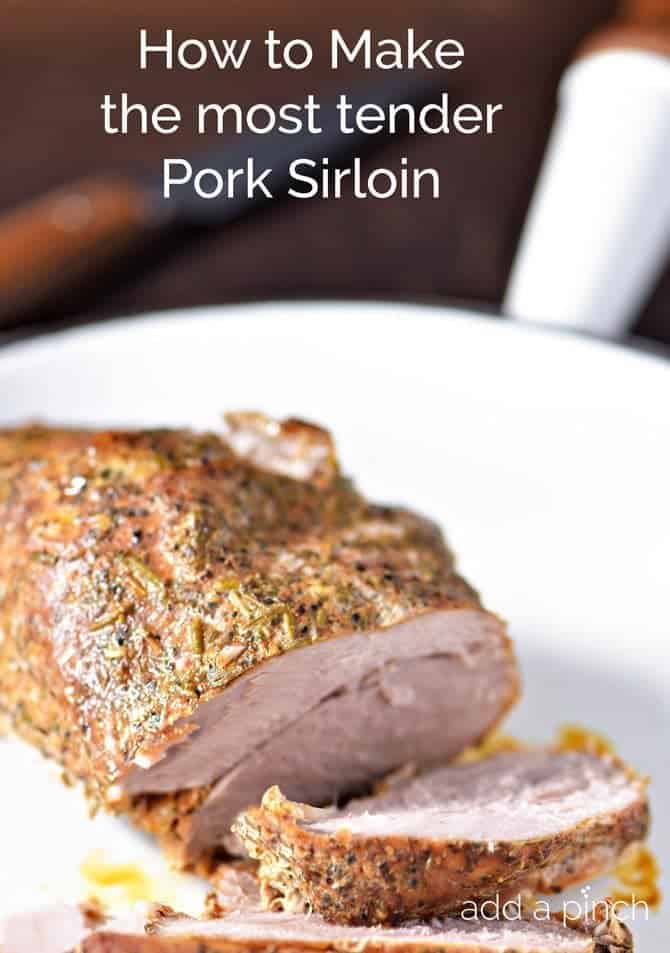
Master Tender Pork Sirloin: The Brine & Reverse Sear Guide
Pork sirloin is a wonderfully lean and flavorful cut of meat, offering a fantastic balance of taste and value. Yet, for many home cooks, it remains a culinary enigma, often resulting in a dry, tough, and disappointing meal. The good news? Achieving perfectly juicy, fork-tender pork sirloin every single time is not only possible but surprisingly straightforward with the right technique. Forget the days of chewy pork; this comprehensive guide will show you exactly
how to cook the most tender pork sirloin recipe using a powerful, two-stage method: the simple saltwater brine combined with the precision of a reverse sear.
I've dedicated two decades to perfecting meat cookery, and I can attest that pork sirloin, despite its inherent potential, is notoriously easy to overcook. This often leads to a result more akin to shoe leather than a succulent main course. This article goes beyond just a single pork sirloin recipe; we’ll delve into the science behind why it gets tough, explore the best preparation techniques, and compare different cooking methods step-by-step. By the end, you'll have the confidence and knowledge to prepare the most tender pork sirloin of your life, consistently.
Understanding Pork Sirloin: The Lean Cut's Secrets
Before we even think about turning on the heat, it's crucial to get acquainted with our star ingredient. Understanding the characteristics of pork sirloin is the first step toward mastering it – much like a mechanic knows the engine before attempting a tune-up.
Pork sirloin, sometimes found labeled as pork loin roast (though not to be confused with pork tenderloin), sirloin chops, or even pork hipbone steak, originates from the area just behind the loin and in front of the hind legs of the pig. It's a relatively lean cut, meaning it doesn't possess the extensive intramuscular fat (marbling) that you'd find in cuts like pork shoulder or belly.
This leanness presents both advantages and challenges. On the one hand, it's a healthier, protein-packed option, making it an excellent choice for a balanced meal. On the other hand, the minimal fat content means it has a very narrow window for error during cooking. Fat provides inherent moisture, flavor, and acts as a buffer against overcooking. With pork sirloin, we must actively create that buffer ourselves to prevent it from drying out.
The primary culprit for tough, dry pork sirloin is almost always
overcooking. Because the muscle fibers are lean, extended exposure to high heat causes them to contract tightly and mercilessly squeeze out all their precious moisture. The result is inevitably dry, chewy, and utterly disappointing meat. Another common pitfall is improper preparation, such as throwing a cold piece of pork directly from the fridge into a hot pan. This causes the exterior to cook far too quickly while the interior struggles to catch up, leading to an unevenly cooked piece that can be raw in the middle and overcooked on the outside. For more in-depth insights into preventing this, you might find our article
Why Your Pork Sirloin Gets Tough & How to Cook it Tender incredibly helpful.
Pork Sirloin vs. Pork Tenderloin: A Crucial Distinction
This is a frequent point of confusion in the meat aisle, as their names sound so similar. However, pork sirloin and pork tenderloin are distinct cuts requiring very different cooking approaches.
*
Pork Tenderloin: Often considered the "filet mignon of pork," it's a long, thin, incredibly lean, and naturally tender muscle. It cooks very quickly and is best suited for high-heat, fast cooking methods like searing, grilling, or roasting for short periods.
*
Pork Sirloin: More akin to a beef sirloin steak, this cut is flavorful and lean but denser than the tenderloin. It requires a bit more care and a different cooking strategy to achieve optimal tenderness and juiciness.
Understanding this difference is paramount, as treating a sirloin like a tenderloin will almost guarantee a tough result. Our method for
how to cook the most tender pork sirloin recipe takes its unique characteristics into account.
The Game-Changing Method: Brine & Reverse Sear
To consistently achieve the most tender pork sirloin, we employ a two-stage method that is truly a game-changer. This combination ensures maximum juiciness and a perfectly even cook from edge to center, eliminating the risk of dreaded dry, tough pork.
Stage 1: The Brine – Your Moisture Insurance Policy
Brining is a pre-cooking step that might seem like an extra effort, but it's arguably the most critical component for lean cuts like pork sirloin.
*
What it is: A simple saltwater solution, often enhanced with sugar, herbs, or spices.
*
Why it works: Through osmosis, the salt solution penetrates the meat. The salt helps to dissolve some of the muscle proteins, which prevents them from contracting as much during cooking. It also traps moisture within the muscle fibers, effectively increasing the meat's water content and buffering it against drying out. This means a more flavorful, significantly juicier result.
*
Basic Brine Ratio: For every 4 cups (1 liter) of water, use 1/4 cup (60g) of kosher salt. You can add 2 tablespoons of sugar, bay leaves, peppercorns, garlic cloves, or fresh herbs like rosemary or thyme for added flavor.
*
How long to brine: For a typical 1-2 pound pork sirloin roast, 4-6 hours in the refrigerator is ideal. For individual chops, 2-4 hours is usually sufficient. Over-brining can make the meat too salty, so stick to these guidelines.
After brining, it's absolutely crucial to remove the pork from the solution, rinse it under cold water to remove any excess salt from the surface, and then pat it *thoroughly dry* with paper towels. A dry surface is essential for achieving a beautiful, crispy crust during the searing stage.
Stage 2: The Reverse Sear – Precision Cooking for Perfection
The reverse sear technique has revolutionized how we cook thicker cuts of meat, and it's particularly effective for lean pork sirloin.
*
What it is: Instead of the traditional sear-then-roast method, the reverse sear involves slow-roasting the meat at a low temperature first, followed by a quick blast of high heat to create a crust.
*
Why it works:
1.
Even Cooking: The low, slow roast gently brings the internal temperature of the pork up, ensuring an incredibly even cook from edge to center, eliminating the dreaded "grey band" that often plagues conventionally cooked meat.
2.
Reduced Moisture Loss: Cooking at a lower temperature minimizes the contraction of muscle fibers, thus preserving more moisture.
3.
Perfect Crust: The final high-heat sear delivers that sought-after crispy, flavorful exterior.
Step-by-Step Guide: How to Cook the Most Tender Pork Sirloin Recipe
Ready to dive in? Here’s your detailed recipe for succulent pork sirloin.
Ingredients & Equipment:
* 1.5-2 lb pork sirloin roast (or 4-6 pork sirloin chops)
* For the brine:
* 4 cups cold water
* 1/4 cup kosher salt
* (Optional) 2 tbsp sugar, 1 tsp peppercorns, 2 bay leaves, 2 cloves garlic (smashed)
* For the rub/seasoning:
* 1 tbsp olive oil
* 1 tsp smoked paprika
* 1/2 tsp garlic powder
* 1/2 tsp onion powder
* 1/4 tsp black pepper
* Essential: An instant-read meat thermometer
* Equipment: Large bowl or resealable bag for brining, baking sheet with a wire rack, oven-safe skillet (cast iron works best), aluminum foil.
The Process:
1.
Prepare the Brine: In a large bowl or resealable bag, combine the water, kosher salt, and any optional brine ingredients. Stir until the salt is fully dissolved.
2.
Brine the Pork: Place the pork sirloin into the brine, ensuring it is fully submerged. Refrigerate for 4-6 hours for a roast, or 2-4 hours for chops.
3.
Rinse and Pat Dry: Remove the pork from the brine. Rinse it thoroughly under cold running water to wash off any surface salt. This step is crucial! Pat the pork *extremely dry* with paper towels. Any moisture left on the surface will hinder the searing process. Let it sit on a wire rack at room temperature for 30 minutes to an hour after patting dry, if time allows, for an even drier surface.
4.
Preheat Oven & Season: Preheat your oven to a low temperature, typically 225-250°F (107-120°C). While the oven preheats, rub the pork all over with olive oil, then generously apply the spice rub (paprika, garlic powder, onion powder, black pepper).
5.
Slow Roast: Place the seasoned pork sirloin on a wire rack set over a baking sheet. Insert an oven-safe probe thermometer into the thickest part of the meat (if you have one) or be ready with your instant-read thermometer. Roast in the preheated oven until the internal temperature reaches 130-135°F (54-57°C) for a roast, or 120-125°F (49-52°C) for chops. This can take anywhere from 45 minutes to 1.5 hours, depending on thickness.
6.
First Rest (Crucial!): Once the pork reaches the target temperature, remove it from the oven. Tent it loosely with aluminum foil and let it rest for 10-15 minutes. This allows the juices to redistribute before the high-heat sear.
7.
Preheat Skillet for Sear: While the pork rests, place your oven-safe skillet (cast iron is perfect) on the stovetop over high heat. Add 1-2 tablespoons of high smoke point oil (like avocado or grapeseed) to the hot pan. Heat until it's shimmering and just starting to smoke.
8.
Sear for the Crust: Carefully place the rested pork sirloin into the screaming hot pan. Sear undisturbed for 2-3 minutes per side, until a deep golden-brown crust forms. If cooking a roast, sear all sides. This quick sear will raise the internal temperature slightly.
9.
Final Internal Temperature & Rest: Remove the pork from the pan immediately. The final internal temperature for pork sirloin should be
140-145°F (60-63°C) for perfectly juicy and safe pork. This will rise a few degrees as it rests. Tent the pork again with foil and let it rest for another 5-10 minutes. This final rest is absolutely non-negotiable for juicy results.
10.
Slice and Serve: Slice the pork against the grain into desired thickness. Serve immediately and prepare for rave reviews!
For more detailed guidance on avoiding common pitfalls, consider reading our article
Never Dry Again: Your No-Fail Guide to Tender Pork Sirloin.
Crucial Tips for Success
*
Don't Skip the Brine: It's your insurance policy against dry pork. The difference in juiciness is remarkable.
*
Invest in a Good Meat Thermometer: This is the single most important tool for cooking perfect meat. Guessing internal temperature is the fastest route to overcooked, tough pork. An instant-read thermometer is a must-have.
*
Rest Your Meat (Twice!): Resting allows the muscle fibers to relax and reabsorb juices, ensuring a tender and moist final product. Skipping this step means all that delicious juice will simply run out onto your cutting board.
*
Pat Dry Thoroughly: A dry surface is critical for achieving a beautiful, crispy sear. Moisture creates steam, which prevents browning.
*
Avoid Overcrowding the Pan: When searing, cook in batches if necessary. Overcrowding cools down the pan, resulting in steaming rather than searing.
*
Start with Room Temperature Meat (After Brining/Drying): This promotes more even cooking.
Conclusion
Mastering
how to cook the most tender pork sirloin recipe no longer has to be a daunting challenge. By understanding the unique characteristics of this lean cut and implementing the powerful two-stage method of brining and reverse searing, you can consistently achieve incredibly juicy, flavorful, and perfectly tender pork sirloin every single time. With these techniques and tips in your culinary arsenal, you're ready to transform a potentially tricky cut into a show-stopping meal that will impress even the most discerning palates. Happy cooking!